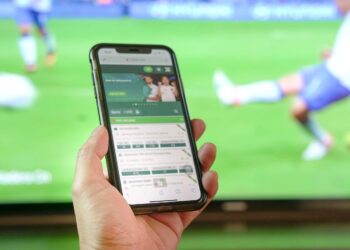
Chronic pain turns time into a resource that needs active management. A good day often depends on pacing, planned pauses, and small activities that feel restorative without draining energy. Short, intentional online casino sessions can fit into that approach when they stay time-bound, low-effort, and clearly separated from the rest of the day’s responsibilities.
A Short Daily Escape That Stays Structured
A brief online casino session can work as a defined mental break, the same way a short walk, a podcast, or a few pages of a book can reset attention. The value comes from structure. A set start, a set end, and a clear purpose, a change of focus that helps the mind step away from pain signals for a moment, then return to the day’s routine with less friction.
Platform quality matters because it affects how much effort the break costs. A stable interface, clear navigation, and predictable performance reduce the mental load that can worsen fatigue. Jackpot City often comes up in this context as an example of a quality casino platform, because a smooth experience makes it easier to keep sessions brief and contained rather than turning the break into another task to manage.
Pacing Starts With Session Design
People who already understand iGaming know the core risk in any casual play routine, the session stretches. For pain-friendly pacing, session design needs the same discipline used in other parts of symptom management. That means treating play like a timed activity with guardrails, not an open-ended pastime.
A practical way to do this is to pre-commit to a “session shape.” Keep it consistent so the brain recognizes it as a break, not a project. Consistency also reduces decision fatigue, which can spike when pain is high.
- Pick one game type for the session and stick to it.
- Set a hard stop time before starting.
- End with a short reset action, like standing up or getting water.
That routine keeps the break lightweight. It also protects the rest of the day from spillover, which is where pacing usually breaks down.
Micro-Breaks That Prevent Overexertion
Pain-friendly routines often rely on “activity islands,” short blocks of effort separated by recovery. Online casino sessions can serve as one of those recovery blocks when they replace activities that demand more physical output, like extended chores or long stretches of sitting without a change of focus.
The key is to make the break genuinely restorative. That means paying attention to posture, screen setup, and input comfort. Small ergonomic tweaks can decide whether the session feels like relief or another source of strain. Many experienced players already optimize for comfort during longer sessions. The pain-friendly version applies the same thinking, then compresses it into shorter windows.
A real-world example shows up in work-from-home routines. Someone might use a short session between focused tasks as a cognitive palate cleanser, then return to work with a calmer attention span. That works best when the break includes a physical change, even a small one, because static positions can add to discomfort over time.
Guardrails That Keep Play Low-Impact
Short sessions support pacing when boundaries stay simple and enforceable. The goal is to reduce friction, reduce decision points, and reduce the chance of chasing stimulation when the body needs rest.
Use built-in settings where available, and pair them with device-level tools. Experienced users often overlook device settings because the platform tools feel “inside the hobby,” while the phone or desktop tools feel “outside.” For pain-friendly routines, outside tools help because they end the session automatically.
- Use a timer that ends the app session, then blocks re-entry for a short cooldown.
- Turn off non-essential notifications to keep the break calm.
- Keep payment steps and account actions separate from break time.
This approach also protects sleep routines. Late-night play can collide with recovery goals for many people, especially when pain disrupts rest already. A schedule that places the break earlier, or anchors it to a predictable part of the day, tends to work better.

The Global iGaming Market Keeps Expanding
The rise of iGaming – growing from $110.8 billion in 2025 to $130.52 billion in 2026 – globally has pushed platforms toward faster onboarding, smoother mobile play, and more refined session experiences. That shift matters for time-bound use because it makes short sessions easier to execute. Quick logins, stable performance, and clean interfaces support the idea of a controlled break rather than a long event.
At the same time, product design across the industry increasingly focuses on engagement loops, retention mechanics, and personalization. Experienced users recognize these patterns instantly. Pain-friendly routines benefit from acknowledging that reality, then building boundaries that keep the session aligned with the intended role, a brief, contained pause that does not compete with recovery priorities.
Turning a Break Into a Repeatable Routine
Short online casino sessions can support pacing and even improve productivity later on, when they function like any other structured micro-break, planned, contained, and easy to exit. The strongest results come from treating the session as a tool within a routine, then measuring it by how the body feels afterward. If the break reduces strain and helps the day stay balanced, it earns a place. If it increases tension or pulls energy away from essentials, the routine needs a redesign.