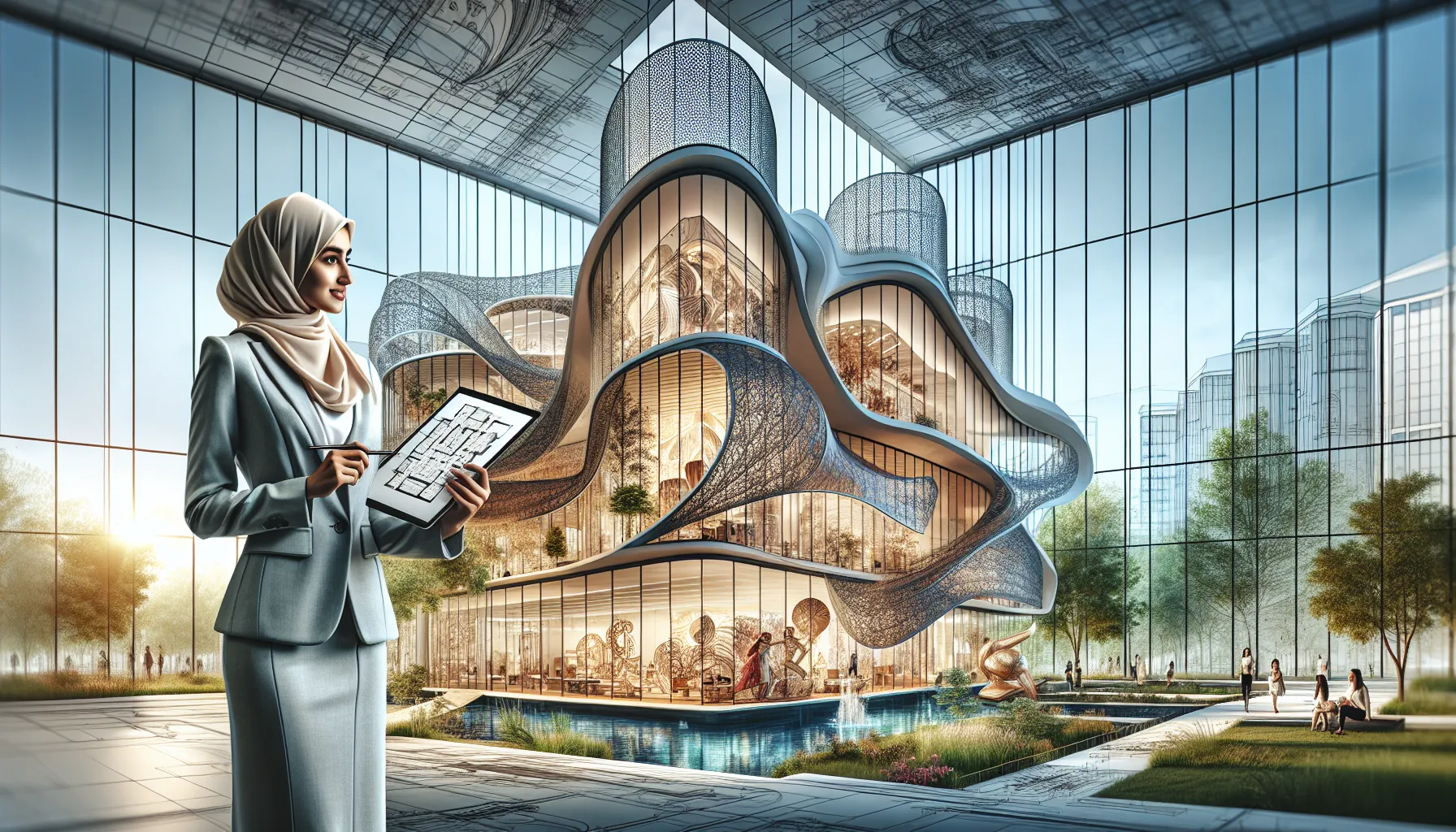
Have you ever gazed at a building and wondered what inspired its design? Welcome to the world of arquidimatismo, where architecture meets innovative thinking. Picture this: spaces that not only shelter us but ignite our imagination. Join us as we explore this captivating architectural philosophy that may just change how we view our surroundings. Ready or not, here comes a blend of art and science that’s anything but boring.
Arquidimatismo

So, what exactly is arquidimatismo? It’s a term that combines various architectural philosophies, focusing on designing spaces that resonate with our emotions and experiences. We’re not just slapping together bricks and mortar: we’re crafting atmospheres that enhance our daily lives. This philosophy emphasizes the importance of how we interact with our environment, urging us to think beyond conventional design methods.
Historical Context
To truly appreciate arquidimatismo, let’s take a quick detour through history. This movement emerged in response to the rigid forms of modernism that dominated the 20th century. Architects, tired of sterile structures, began to seek inspiration from nature, culture, and even our emotional states. We see influences from postmodernism and Deconstructivism, creating a rich tapestry of ideas. These influences fuse together to give birth to spaces that are as engaging as they are functional.
Key Concepts and Principles
At the heart of arquidimatismo lies several cornerstone principles. First, we embrace human-centered design, which prioritizes the user experience. We aim for harmony between form and function, ensuring our spaces create meaningful interactions. Sustainability is another crucial aspect. Integrating eco-friendly materials and practices isn’t just a trend: it’s a responsibility. Finally, let’s not forget adaptability. We design spaces to evolve, reflecting the changing needs of their users.
Applications in Modern Architecture
Now that we’ve laid the groundwork, how is arquidimatismo applied in practice? We see it pop up in urban spaces, where multifunctional areas cater to various activities. Think parks that serve as art galleries or community gathering spots. Residential designs often incorporate open layouts and natural light, creating warm, inviting environments. From skyscrapers that dance with the skyline to cozy homes that feel personal, arquidimatismo challenges us to rethink our spaces.
Influence on Architectural Design
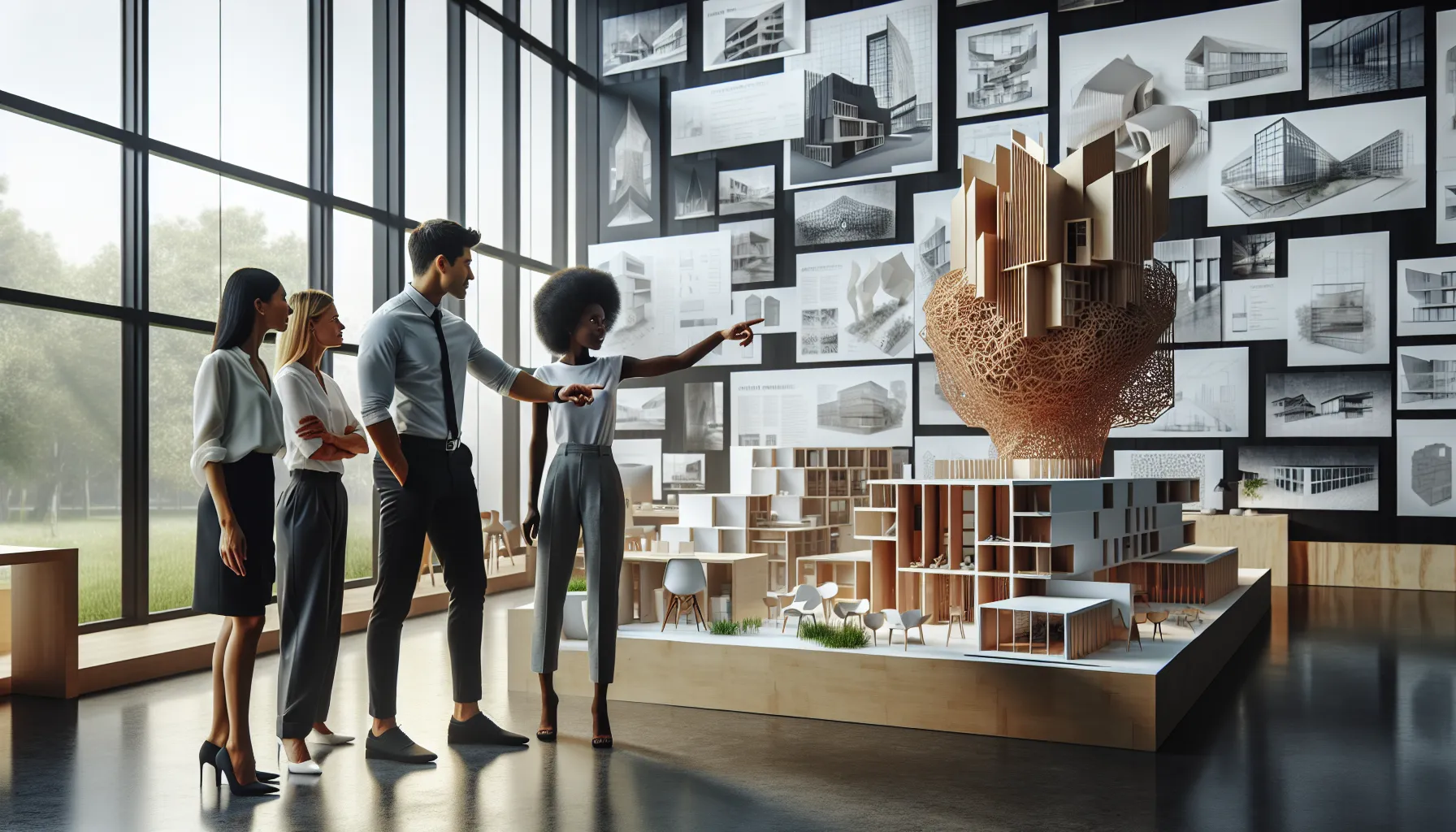
The impact of arquidimatismo is profound. It encourages architects to push boundaries, experiment with materials, and adopt a narrative in their designs. We’re witnessing structures that tell stories, provoke thought, and inspire emotions. This movement is reshaping how we view public and private spaces alike, making architecture a conversation starter rather than just a backdrop for our lives.
Challenges and Criticisms
Of course, no architectural movement is without its challenges. Some critics argue that arquidimatismo can lead to overly complicated designs that prioritize aesthetics over functionality. Others raise concerns about the cost implications of innovative materials and techniques. But we believe that every challenge also presents an opportunity. By addressing these concerns, we can refine and enhance our designs, benefiting both creators and users.