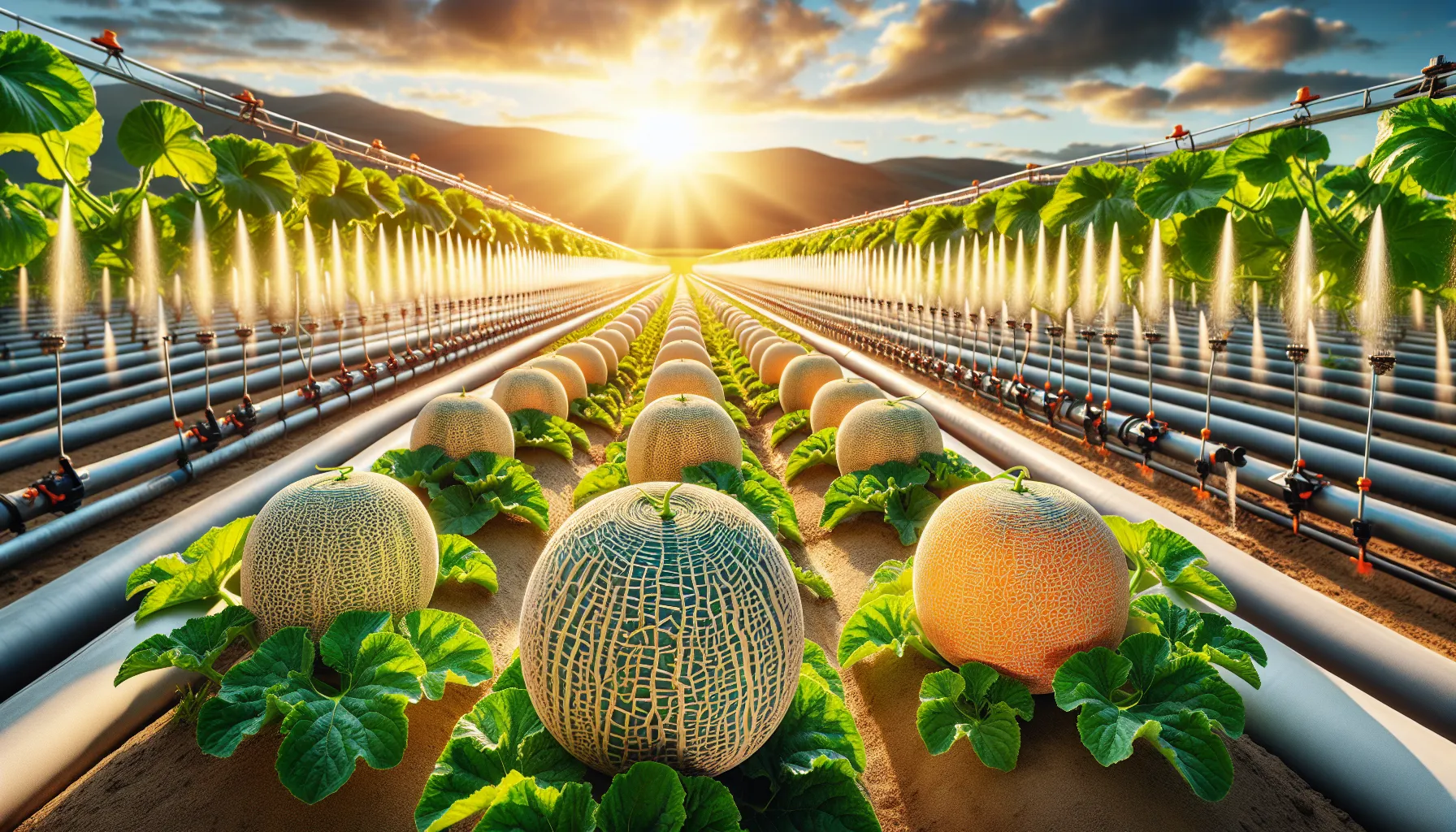
When you think of cantaloupes, you might picture those juicy, sweet slices refreshing you on a hot summer day. But did you know that in Australia, we have an exciting twist on this beloved fruit? Enter the Albion variation of cantaloupe systems, a game-changer for our farming community. In this text, we’ll dive deep into the intricacies of the cantaloupe systems in Australia, particularly the Albion variety, and explore how it’s revolutionizing our approach to cultivation and production. Trust us, you won’t want to miss out on this juicy journey.
Cantaloupesystemsaustr Albion
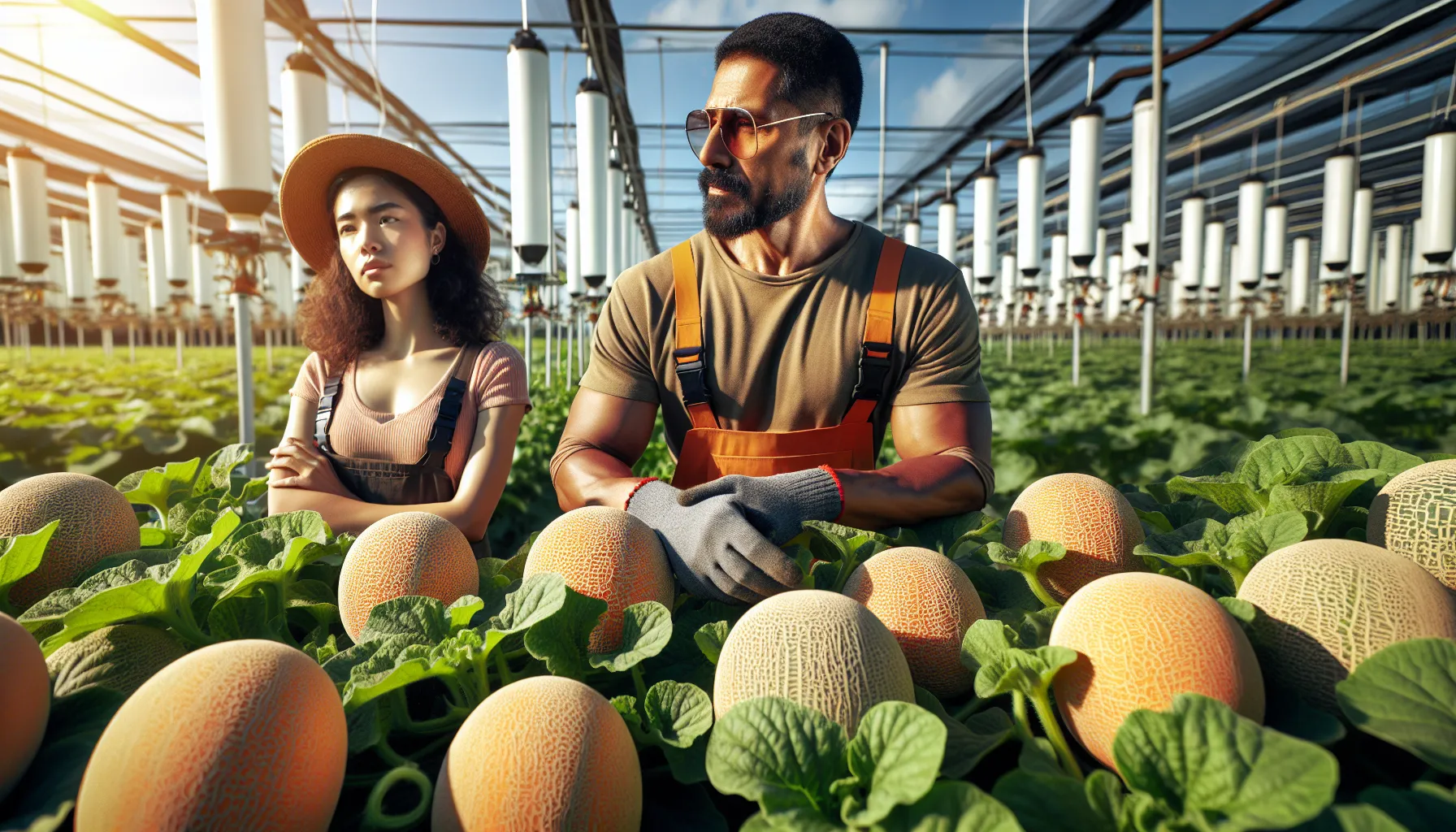
Cantaloupe systems in Australia encompass a fascinating blend of agricultural innovation and traditional practices. Our country, known for its diverse climates and fertile lands, provides a unique environment for cantaloupe fruit to flourish. The Albion cantaloupe stands out due to its sweet flavor, aromatic scent, and vibrant color. Interestingly, this variety is not just about looks. It’s known for its resilience against various pests and diseases, which is a boon for us farmers. By embracing cutting-edge techniques like hydroponics and data-driven farming, we’re paving the way for sustainable and efficient cantaloupe production.
Significance of the Albion Variation
Albion cantaloupes, specifically, have a significance that goes beyond taste. These melons boast an extended shelf life, making them a favorite in both local markets and for export. When we talk about the Albion variation, we’re referring to a cultivar that not only looks great but holds its flavor longer than many other varieties. This means less waste and more profit for us growers. The market demand for high-quality, flavorful produce continues to grow, and Albion cantaloupes meet these needs squarely, proving to be an asset for our agricultural economy.
Growing Conditions and Best Practices
Creating optimal growing conditions for Albion cantaloupes is crucial for achieving a bountiful harvest. We’ve learned that these melons thrive in well-drained sandy loam soils enriched with organic matter. Watering practices need to balance between keeping the soil moist and avoiding waterlogging. That’s why we recommend drip irrigation systems that deliver water directly to the plant roots, reducing waste significantly. Also, record-keeping and utilizing soil moisture sensors help us determine the best time to irrigate. As for sunlight, Albion cantaloupes love it. Ideally, they need full sun for at least six hours a day, so we make sure to plant them in the sunniest spots.
Cantaloupe Production in Australia
Australia’s cantaloupe production has seen a remarkable increase, primarily due to the introduction and establishment of the Albion variety. We harvest cantaloupes from regions like Queensland and New South Wales, where the climate is just right for these juicy fruits. Our production facilities are increasingly adopting advanced techniques, including automation and smart farming, which help us monitor crop health and yield effectively. By prioritizing practices that promote sustainability, we’re not just producing delicious cantaloupes: we’re contributing to a healthier environment.
Challenges and Solutions in Cultivation
Like any farming try, cultivating cantaloupes comes with its set of challenges. Pest management is perhaps one of the biggest hurdles facing us. The good news? Integrated Pest Management (IPM) techniques are proving to be effective. By combining biological control with vigilant monitoring, we can reduce pest populations without relying heavily on chemicals. Also, climate variations can affect our cantaloupe crops. To combat this, we’re incorporating climate-resilient practices, such as adjusting planting schedules and utilizing shade nets during extreme heat.
Future Trends in Cantaloupe Farming
As we look ahead, the future of cantaloupe farming in Australia, particularly with the Albion variety, is bright. Innovations in technology and farming practices are set to upgrade our methodologies. We anticipate growth in precision agriculture, allowing us to use data analytics for better farming decisions. Besides, as consumer demand shifts towards organic and sustainably grown produce, we expect to foster practices that align with these trends. Knowledge-sharing within the agricultural community will also be key as we navigate these changes together.